
A heavy rainstorm can turn a well-planned construction site into a costly setback overnight. If you are unsure which splash-back materials, drainage protections, or soil-stabilization measures are appropriate for your site, that uncertainty can delay important decisions. Meanwhile, exposed soil continues to move with every rainfall event.
Small oversights often create large scheduling problems. The right erosion control services help you protect your work area, keep crews productive, and move confidently toward project completion without unnecessary disruptions.
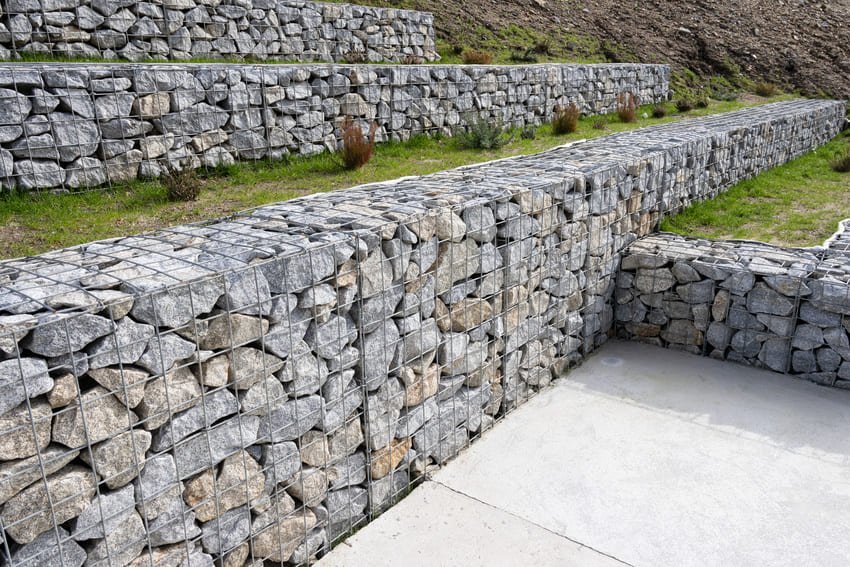
How Does Poor Erosion Control Delay Construction Projects?
Poor erosion control delays construction by causing rainwater to carry sediment across work areas, damage access routes, clog drainage systems, and destabilize slopes. Crews may need to stop work for cleanup, repairs, inspections, or permit compliance. Early soil-stabilization measures reduce these interruptions and help keep construction schedules on track.
Rain Does Not Have to Stop Your Project
One rain event can create more than muddy boots. On an unprotected site, runoff can wash loose sediment into trenches, storm drains, roadways, and neighboring properties. That sediment must be removed before many activities can continue. Earthwork, concrete placement, utility installation, and finish grading often depend on stable, accessible ground.
A delayed crew creates a chain reaction. When excavators cannot work, material deliveries may need to be rescheduled, subcontractors may lose their scheduled window, and the next phase cannot begin as planned.
Cleanup Costs Add Up Quickly
Sediment cleanup is rarely a one-person task. Your team may need labor, equipment, hauling, disposal, and additional time to restore site access after a storm. A washed-out entrance can also create public-road concerns. If trucks track mud and sediment onto nearby streets, your team may need to clean pavement immediately to maintain a safe, professional site.
These costs are particularly frustrating because they are often preventable. Reliable erosion control services establish practical barriers before runoff becomes a cleanup emergency.
Unstable Ground Can Put Work on Hold
A soft or eroded work area changes the jobsite overnight. Equipment may sink, haul roads may become unusable, and slopes may no longer safely support workers or materials. Safety concerns can force a pause. That pause may be necessary, but it can affect labor utilization, equipment rentals, and delivery dates.
We have seen how minor rills can become deeper channels after repeated rainfall. Once water finds a path downhill, it can continue cutting into the soil until the area is properly graded, diverted, and stabilized.
Compliance Issues Can Affect the Schedule
Environmental compliance is not separate from the construction schedule. Sediment leaving a site can lead to inspections, corrective actions, and documentation requirements that pull attention away from production. Local requirements and project permits may require stormwater protections such as silt fencing, stabilized construction entrances, inlet protection, sediment basins, or erosion-control blankets.
The exact measures depend on site conditions and governing requirements. A missing or damaged control can create avoidable pressure. Regular inspections, especially before and after forecasted rain, help identify issues while they are still manageable.
The Cost of Rework Is Often Hidden
Rework does not always appear as a single line item. It can show up as repeated grading, replacement fill, repaired drainage features, or extra labor spent restoring disturbed areas. Consider a newly graded slope that erodes before it becomes permanently vegetated. The contractor may need to reshape the slope, replace lost soil, reinstall drainage features, and apply stabilization again.
That work consumes time twice. It also delays the activities that were supposed to follow it, making erosion prevention a schedule-management issue as much as a site-maintenance issue.
Material Selection Matters
Not every site needs the same solution. A steep slope, an exposed stockpile, a drainage outlet, and a construction entrance each face distinct erosion risks. For example, silt fence can intercept sediment from sheet flow when installed correctly. Erosion-control blankets can protect exposed soil while vegetation establishes. Riprap may help protect outlets where water moves with greater force.
Splash-back materials can also matter around structures, walkways, and drainage discharge areas. The right aggregate, rock, or protective surface helps reduce soil displacement where water repeatedly hits bare ground. An experienced provider evaluates drainage patterns, soil conditions, slope, project phase, and expected traffic. This helps you avoid spending money on controls that do not match the actual risk.
Planning Ahead Protects Your Timeline
The best time to address runoff is before land disturbance begins. A phased plan can identify where temporary controls are needed first and when they should transition to permanent stabilization. Weather awareness is equally important. If a major rain event is approaching, crews can secure stockpiles, reinforce vulnerable slopes, inspect barriers, and clear drainage paths.
Consistent maintenance is what makes temporary controls effective. A silt fence filled with sediment, a damaged inlet barrier, or an unprotected stockpile cannot do its job when it matters most.
Keep Your Project Moving Forward
Construction schedules already depend on many moving parts. You should not have to lose valuable days because preventable runoff damaged your site, limited access, or required a costly cleanup.
At Brown’s Land Improvement, we provide practical erosion control services designed around your project’s terrain, drainage needs, and construction timeline. Contact our team to discuss a site-specific approach that helps protect your land, your budget, and your next deadline.