
Every homeowner has experienced it — dark clouds roll in, rain hammers the yard, and within minutes, water pools around the foundation, floods the garden beds, or rushes toward the driveway in sheets. It looks harmless enough at first. But left unaddressed, poor stormwater management silently destroys landscapes, weakens foundations, and drains wallets.
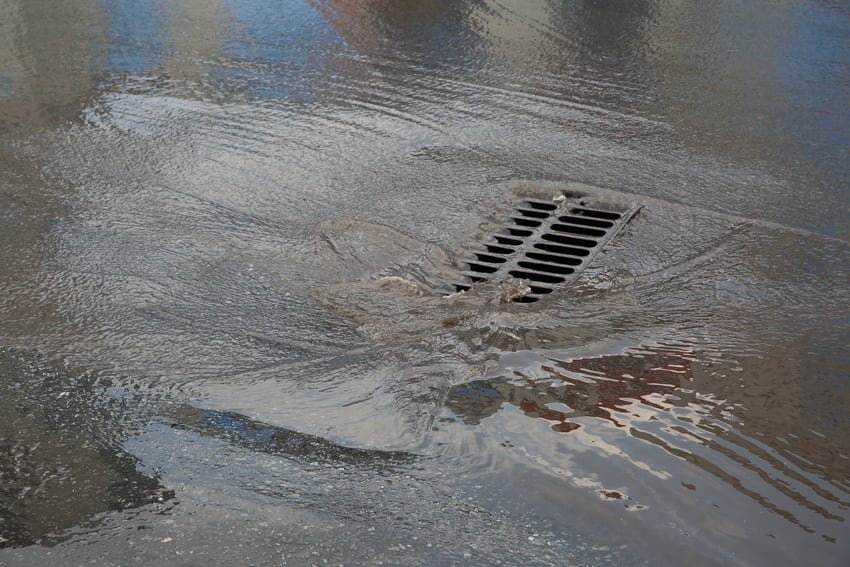
The good news? Effective stormwater drainage solutions exist for every property type, budget, and terrain. This guide walks you through what you need to know — and what you need to do — before the next storm hits.
Why Stormwater Drainage Deserves Serious Attention?
Rainfall is a natural event. Property damage, however, is not inevitable. The difference lies in how well your land handles water movement. When stormwater has nowhere to go, it doesn’t simply disappear. It seeps under foundations, erodes topsoil, saturates plant roots, contaminates groundwater, and creates breeding grounds for mosquitoes and mold.
Over time, that standing water becomes a structural and financial liability. According to the Federal Emergency Management Agency (FEMA), flooding is the most common and costly natural disaster in the United States. A significant portion of residential flood damage isn’t caused by rivers overflowing — it’s caused by poor drainage around the property itself.
Common Signs Your Property Has a Drainage Problem
Before investing in a solution, it helps to recognize the symptoms. Watch for:
1. Pooling water that lingers more than 24 hours after rainfall
2. Soggy or muddy patches in the lawn that never seem to dry out
3. Water stains along the foundation or basement walls
4. Erosion channels cutting through the yard or garden
5. Gutters overflowing or downspouts discharging directly against the house
6. Dead or dying plants in areas that receive excess moisture
If any of these sound familiar, your property is already telling you something. Acting early saves thousands in future repair costs.
A Breakdown of Proven Stormwater Drainage Solutions
No two properties drain the same way. The slope, soil type, hardscape coverage, and rainfall volume all influence which solution works best. Here’s an overview of the most effective approaches.
1. French Drains
A French drain is a gravel-filled trench with a perforated pipe that redirects surface water and groundwater away from problem areas. It’s one of the most versatile and widely used drainage systems for residential properties.
2. Channel Drains
Installed in driveways, patios, and along walkways, channel drains capture surface runoff and funnel it into an underground outlet. Ideal for hardscape-heavy properties where water has no permeable surface to absorb into.
3. Dry Creek Beds
A functional and visually appealing option, dry creek beds mimic natural stream channels. They move water across the landscape in a controlled direction while adding a naturalistic design element to the yard.
4. Catch Basins
Catch basins collect runoff at low points on the property and redirect it underground. They’re commonly used in yards where water consistently collects in one spot after heavy rain.
5. Grading and Regrading
Sometimes the issue isn’t the drainage system — it’s the slope of the land itself. Regrading directs water flow away from structures by reshaping the terrain. It’s often the first step before any other drainage work begins.
6. Rain Gardens
Rain gardens are shallow, planted depressions designed to absorb and filter stormwater naturally. They’re environmentally friendly, reduce runoff volume, and add beautiful green infrastructure to a landscape.
7. Downspout Extensions and Underground Pipe Systems
A simple but effective upgrade — extending downspouts away from the foundation or connecting them to underground pipes ensures roof runoff is directed far from the structure, reducing hydrostatic pressure against basement walls.
How to Choose the Right Solution for Your Property?
The best stormwater drainage solution matches your property’s specific conditions. A few factors to consider:
Slope: Does water flow toward or away from your home?
Soil type: Sandy soil drains quickly; clay-heavy soil retains water and is prone to pooling.
Hardscape coverage: More concrete and pavers means less natural absorption.
Rainfall volume: Properties in high-precipitation regions need higher-capacity systems.
Local codes: Some municipalities require permits for drainage work that affects neighboring properties or public waterways.
A thorough site evaluation is the smartest first step. Rather than guessing, a professional assessment identifies exactly where water enters, how it moves, and where it needs to go.
The Cost of Waiting
Homeowners often delay drainage improvements because they don’t see the damage happening in real time. But water is patient. Foundation cracks, mold growth, soil erosion, and landscape loss build slowly—until they become expensive emergencies.
A French drain installation today costs a fraction of what foundation repair runs in five years. A regrading project now is far less disruptive than excavating around a flooded basement later. The investment in proper drainage is almost always the more affordable, less stressful option.
Ready to Take the Next Step?
Stormwater doesn’t have to be your property’s enemy. With the right system in place, even heavy rainfall becomes manageable — and your landscape stays protected, healthy, and intact. Explore the full range of stormwater drainage solutions available for residential and commercial properties, and find the right fit for your land, your budget, and your long-term goals.